Whales are among the largest and most remarkable animals on Earth. These marine mammals live in oceans around the world, from warm tropical waters to the cold seas surrounding the poles.
Life Beneath the Surface
Although whales spend their lives in water, they breathe air through blowholes located on top of their heads. They must regularly return to the surface to breathe before diving again in search of food or traveling through the ocean.
Whales are warm-blooded, give birth to live young, and nurse their calves with milk. A thick layer of fat called blubber helps protect them from cold water and stores energy during long migrations.
Two Main Groups
Whales are generally divided into baleen whales and toothed whales. Baleen whales filter small animals from the water using flexible plates inside their mouths. This group includes blue whales, humpback whales, and gray whales.
Toothed whales use teeth to catch fish, squid, and other prey. Many of them also use echolocation, producing sounds and listening for returning echoes to understand their surroundings. Sperm whales, belugas, and orcas belong to this group.
The Blue Whale
The blue whale is the largest known animal to have ever lived. An adult can grow longer than a city bus and weigh well over one hundred tonnes. Despite its enormous size, it feeds mainly on tiny crustaceans called krill.
Communication and Migration
Whales communicate using clicks, whistles, pulses, and complex songs. Some sounds can travel across great distances underwater. Humpback whales are especially famous for their long, patterned songs.
Many species migrate thousands of kilometres each year. They often feed in cold, nutrient-rich waters before traveling to warmer regions where they mate and give birth.
Protecting Whales
Commercial hunting once caused severe declines in many whale populations. Today, whales also face threats from fishing gear, ship collisions, underwater noise, pollution, and changes to ocean ecosystems.
Conservation programs, safer fishing practices, protected habitats, and international cooperation can help whale populations recover. Protecting whales also supports healthier oceans because these animals play an important role in marine food webs and nutrient cycles.
Whales are among the largest and most remarkable animals on Earth. These marine mammals live in oceans around the world, from warm tropical waters to the cold seas surrounding the poles.
Life Beneath the Surface
Although whales spend their lives in water, they breathe air through blowholes located on top of their heads. They must regularly return to the surface to breathe before diving again in search of food or traveling through the ocean.
Whales are warm-blooded, give birth to live young, and nurse their calves with milk. A thick layer of fat called blubber helps protect them from cold water and stores energy during long migrations.
Two Main Groups
Whales are generally divided into baleen whales and toothed whales. Baleen whales filter small animals from the water using flexible plates inside their mouths. This group includes blue whales, humpback whales, and gray whales.
Toothed whales use teeth to catch fish, squid, and other prey. Many of them also use echolocation, producing sounds and listening for returning echoes to understand their surroundings. Sperm whales, belugas, and orcas belong to this group.
The Blue Whale
The blue whale is the largest known animal to have ever lived. An adult can grow longer than a city bus and weigh well over one hundred tonnes. Despite its enormous size, it feeds mainly on tiny crustaceans called krill.
Communication and Migration
Whales communicate using clicks, whistles, pulses, and complex songs. Some sounds can travel across great distances underwater. Humpback whales are especially famous for their long, patterned songs.
Many species migrate thousands of kilometres each year. They often feed in cold, nutrient-rich waters before traveling to warmer regions where they mate and give birth.
Protecting Whales
Commercial hunting once caused severe declines in many whale populations. Today, whales also face threats from fishing gear, ship collisions, underwater noise, pollution, and changes to ocean ecosystems.
Conservation programs, safer fishing practices, protected habitats, and international cooperation can help whale populations recover. Protecting whales also supports healthier oceans because these animals play an important role in marine food webs and nutrient cycles.
Whales are among the largest and most remarkable animals on Earth. These marine mammals live in oceans around the world, from warm tropical waters to the cold seas surrounding the poles.
Life Beneath the Surface
Although whales spend their lives in water, they breathe air through blowholes located on top of their heads. They must regularly return to the surface to breathe before diving again in search of food or traveling through the ocean.
Whales are warm-blooded, give birth to live young, and nurse their calves with milk. A thick layer of fat called blubber helps protect them from cold water and stores energy during long migrations.
Two Main Groups
Whales are generally divided into baleen whales and toothed whales. Baleen whales filter small animals from the water using flexible plates inside their mouths. This group includes blue whales, humpback whales, and gray whales.
Toothed whales use teeth to catch fish, squid, and other prey. Many of them also use echolocation, producing sounds and listening for returning echoes to understand their surroundings. Sperm whales, belugas, and orcas belong to this group.
The Blue Whale
The blue whale is the largest known animal to have ever lived. An adult can grow longer than a city bus and weigh well over one hundred tonnes. Despite its enormous size, it feeds mainly on tiny crustaceans called krill.
Communication and Migration
Whales communicate using clicks, whistles, pulses, and complex songs. Some sounds can travel across great distances underwater. Humpback whales are especially famous for their long, patterned songs.
Many species migrate thousands of kilometres each year. They often feed in cold, nutrient-rich waters before traveling to warmer regions where they mate and give birth.
Protecting Whales
Commercial hunting once caused severe declines in many whale populations. Today, whales also face threats from fishing gear, ship collisions, underwater noise, pollution, and changes to ocean ecosystems.
Conservation programs, safer fishing practices, protected habitats, and international cooperation can help whale populations recover. Protecting whales also supports healthier oceans because these animals play an important role in marine food webs and nutrient cycles.
For poetry lovers, World Poetry Day is no less than a festival. It’s an excuse to take a day off and sit and read the poems that have impacted your view of the world. Or just relax with some verse.
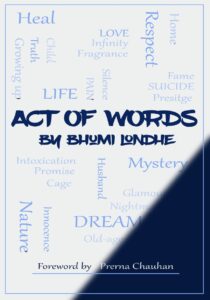
Read Art of Words Bhumi Londhe online for free on Muses_Saga
But we wouldn’t have these poems that we love without the efforts and insights of poets from all walks and ages of humanity. And it’s crucial that to keep the art of poetry alive, we show solidarity with these artists.
Though, bestie, in the era of climate change when we are moving towards reduced consumption is that really possible? Like girl, book hauls for books we won’t read look cute…but are they susty? Yet, how else do we show support? I mean our economic systems have led us to believe that support is shown by means of buying a product only. Right?
Now, we at Muses_Saga will never discourage anyone from buying poetry books that are well-loved and will be read again and again. Yet, if you’re interested in making your support for your favourite poets a little greener, here are some ways you can do that.
Get the book from your local library and shops.
Authors love libraries. Essentially, the more copies a book people need to read, the more libraries order, but since these books are read by multiple people for years and years, the environmental impact is balanced and authors still get paid. Better than pirating.
And yes, sustainably you can get the book from your local second-hand shop, but that doesn’t really give money to the author. It is still helpful as authors love for their work to be read, of course. Or you can rent an author’s books as well, or buy from your local street vendors and shops, as long as you ensure these are not pirated copies. In Kolkata, Park Street and College Street have numerous shops and vendors selling poetry and fiction books.
Read Online
You can also read your favourite poems online if they are available for free online reading on say Muses_Saga or Kindle Library in a manner that the author supports. Instagram has a lot of poets whom you can support with likes, joining their Patreon if it’s possible, or simply sharing their work.
Comments and reviews not only help poets improve and gauge how their work is performing, but also makes their day. On social media platform, engagement is an important metric to get monetized, and reach a wider audience. So, share. Like. Comment.
And if you can,
Attend Performances
Whether they be online lives or off-sites performances, you can definitely support a poet this way. Now large events are difficult to keep sustainable and you really don’t have control over the organization, but you can still help make the event eco-friendly through suggestions and by doing small things like carrying reusables and your own water bottle. You can also travel by train or low-emission flights.
But if you must buy a book, we would never discourage you. Every book makes a positive impact on someone’s life and the printing industry supports many local shops, printers, authors, and more. To make it even greener, here are some things you can do when possible.
Buy FSC certified or eco-friendly books
Upcycled paper, recycled paper or books made from sustainably sourced paper are all options you have when you wish to buy a new book. We understand that sometimes you will have to buy a book which does not fit these parameters, but as long you email the publishers and advocate for these policies, when possible, you are doing your bit.
So, here’s the tea. Screen-time can affect your eyes. Moreover, our electronics usually have a animal coating on the screen and require metals and minerals to make which need to be mined. There are a lot of supply chain issues in these minds.
Apart from all that, you need to read a hundred books a year to combat the impact of your e-reader…but reading on the phone might just wreck your eyes unless you have blue-light filter and stuff.
In such cases, reading online on devices optimized for that, hearing audiobooks, and buying second-hand e-readers can be a good option. Especially when many-a-times, authors earn more on e-books than they do on paperbacks.
And of course, pick the paperback over the hardcover when you can. Try and get the new cover editions as dust jackets rather than a whole book to save on paper, and always remember that reading on the e-reader simulates not as deep reading as paper.
There’s what you can do to help your favs! Yet, party abhi backi hai mere dost. Here’s a last way that readers have helped authors over the years with.
Word-of-mouth marketing
Spread the word about the book, talk to friends and family and colleagues about it. Ask shopkeepers and librarians to carry a copy of the book, making them invest in the poet you wish to support.
And of course, if they are on social media, give them a follow, buy them a coffee when you can, attend their writing courses if you find them valuable, and sip your coffee or tea with their reusable and useful merch and verse.
That’s it, for today folks. Have fun supporting your favourite poets this World Poetry Day…and if they happen to be on Muses_Saga, drop them a review or buy them a coffee. It truly makes our day and theirs too!
It’s that time of the year again. When we celebrate our moms. Mark the date folks, May 14th is here. And so is the thought- what am I gifting my mom this Mother’s Day?
Or worse, shit! I forgot to grab a gift for my mom.
And if you are an environmentalist, like many of us here at Muses, then you are probably wondering what you can do for Mama Earth.
Wouldn’t it be grand if you could feed two birds with one feeder? Give your mom a sustainable Mother’s Day gift. And we have got some ideas for you that are just perfect for last-minute gifts-
Five Last-Minute Sustainable Gifts for Mother’s Day
Write her a poem or a short story
This is my tried and tested Mother’s Day gift. Nothing shows love, in my opinion, like a poem crafted from the depths of your heart. A short story, especially a memory, or a reel with your mom’s pictures, all are good and creative ways to give her a gift she’ll cherish.
Draw or take a picture
In a similar vein, you can gift your mom a photograph you’ve drawn or commissioned from an artist. Handmade gifts are the best gifts after all. Drawing something shows that you took the time and effort to remember something that is important to her.
Gift her a Muses book
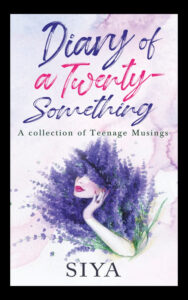
Not to self-promote but we have some great books. And your mom, if she enjoys reading, will have a lifetime supply of free online books and sustainable product recommendations at her disposal. From the Diary of a Twenty-Something duology, which will make her nostalgic about her twenties to Once and Thereafter, which will take her on a fantastical journey, we have a lot. Plus, if you are a broke college student like many of us here at Muses- reading online is free!
Take her to therapy
Self-care is so important, especially for our moms who always put others first. Take your mom to a therapy session. Dr Ranjan Ghosh of Good Karma says that therapy does for our psychological well-being what the gym does for our body. It helps us build resilience and while moms tend to have a lot of that, it’s a good day when they can talk to a non-judgemental person about the things that might trouble them.
Cook her a meal
As we said, self-care is the best gift and the only better gift is an experience. Nothing can match those. And what brings the two together but a good home-cooked meal? Source seasonable veggies and make your mom a sustainable meal like no other. We recognise that meal prep takes well prep so here’s an easy way out if you forgot to mark the date- order her favourite dishes from her favourite eco-friendly restaurant. We won’t tell if you don’t.
There’s a lot more you can do. You can plant a tree in her name, though be careful to plant ecosystem-appropriate trees, or take her shopping for sustainable clothes. The main thing though is to celebrate her and everything she has done. Thus, give her a gift she’ll love, use, and cherish. It’s time to bring tears of joy to the eyes of our moms.
Many of us don’t have the best relationships with our moms. Yet we still love them. If you’re interested in giving a voice to your tumultuous relationship with your mom and getting some catharsis, you can check out Maa by Siya. The book talks about the flaws that can be found in many mother-daughter relationships and puts in verse concepts such as generational trauma and healing together.
P.S.- If your mom is no longer a part of your life, fear not. The pain you might feel on Mother’s Day is natural. And we are here for you, just an email away if you need a friend to chat with.
Support your lips and Muses_Saga by grabbing one of these eco-friendly and sustainable lip balms.
Imagine this, you sit down to read a new book. You feel pretty good about this book, you think you know what it holds and boy, are you excited to go on that journey. Except, part-way through the book, you read something that reminds you of a horrific childhood memory.
And bam!
Not only are you pulled out of the story but you are also reliving the trauma.
This can happen a lot. A book that is marketed as a feel-good romance, can contain a subplot about self-harm or domestic violence. Or perhaps, the book says the book has a dark theme, but the reader has a different understanding of the term dark themes than the author and thus ends up reading something that brings up traumatic experiences. Or makes them uncomfortable.
This highlights the importance of trigger warnings in books. They help readers make informed and educated choices about the material they consent to consume, enduring they do not accidentally read something that disturbs them.
Benefits of Trigger Warnings
Conscious Representation of Darker Subject Matter
Writers can often write about dark subjects. Sometimes it is integral to the story they are trying to tell- after all, could the Hunger Games have the same social commentary without the well, Hunger Games? Other times, the dark subject matter is a form of catharsis and a way to process something terrible that the writer has gone through. Yet, other times it can be a way to give voice to a subject that the writer feels is not often talked about. In all these cases, stories can take a turn that can be disturbing to people. While art exists to comfort the disturbed and disturb the comfortable, it is a writer’s duty to inform their audience of what they are consenting to consume and inject into their mental landscape. This way, writers can write about what they feel is necessary for them to write, without negatively affecting an unsuspecting audience. While discretion during the writing process is important, it is equally important to inform the readers so they can make an educated choice and reject materials which they do not feel ready to interact with.
Representation of Mental Health
Mental health, no matter how neutrally it is represented, can take a toll on the audience. Thus, trigger warnings help readers who might be affected by such topics avoid books with these topics. Good realistic representation is important as it starts a discourse about things people might be unwilling to talk about. It is the vehicle of change in a society. However, this discourse should not come at the cost of those whom it seeks to benefits. Trigger warnings can help convey a message to a certain audience while simultaneously protecting those groups who might be unable to engage with the content.
To continue the enjoyment of books
As Daily Howl says, it is important to have trigger warnings so that everyone can enjoy reading. Reading has several benefits such as helping with sleep and increasing empathy. To get these benefits, people should not have to risk being exposed to traumatizing events without consent. Trigger warnings facilitate a way for readers from all walks of life to read and enjoy the benefits of literature.
While there are benefits to trigger warnings and informed readership, some might argue against them. They might be seen as a method to infantilize readers or stop discourse from happening by giving an escape to those who do not want to engage with a book with certain themes. Trigger warnings can also be accused of hindering plot twists from happening.
Yet, the question then comes- are these objections worth the consequence of not putting trigger warnings? Are they worth reminding someone of traumatic moments? Or worse.
We as writers carry a responsibility to our audience. To entertain and educate in a safe manner. Trigger warnings are an extension of that responsibility. Yes, perhaps trigger warnings can expose coming plot twists, but there can be ways out. A good writer can make a plot twist interesting, even if their readers know it is coming. Writers on Archive of Own have been doing that for years. In fact, the knowledge of the potential twist can be used as anticipation for those who can safely consume the content. Or perhaps you can put all the triggers contained in a story at the start, without mentioning when a trigger is about to occur. While not an approach we follow, this is also an option to keep your readers informed.
How to Add Trigger Warnings
Now that we have spoken about the importance of trigger warnings, let us take a look at how to add them to our works.
Get a Psychologist or a Trained Beta Reader
Getting a psychologist or a trained beta reader, who knows how to spot triggers, is the best way to add trigger warnings to your work. They can also help notify when your work is doing a bad job at representing mental health if that is a part of your work. A good editor, with an understanding of psychology, can help in the trigger warning department as well.
Mention Sensitive Themes Upfront
If you cannot get a beta reader or a psychological analyst, you can try and add trigger warnings on your own. Mention any disturbing themes upfront so your readers know what they are getting into. You can also ask your editors, friends, and family who read your book or brainstorm with you if they find any theme disturbing and mention them accordingly.
Ensuring you do not cause accidental harm to your readers becomes easy with trigger warnings. Imagine instead of being shocked and disturbed by the contents of a book not matching the vibe you were looking for, now you know what you are getting into. Your feel-good book warns you ahead of time if it’s not the light read you are in the mood for. Your readers know you are a writer committed to their mental well-being and thus trust you more. What writer doesn’t want that?
This mental health month, let us pledge to keep the mental well-being of our readers as a priority and give them honest representation and good trigger warnings. After all, they go through a lot, considering what we put their favourite characters through. So shouldn’t we at least let them dive in knowing what they are choosing? Let us know in the comments!
Written by- Anjali Roongta
Psychological Analyst- Naushi Mathur
Ways to produce sustainable books- A Publisher’s Guide- Part 3- Socially Conscious Books
Written by- Anjali Roongta
Do you wish to make a difference with your publishing house? Help make the world a better place for your children and grandchildren to live in? Yet you are feeling stuck. Sustainability has a social aspect that many big companies ignore behind the guise of recycled raw materials and plastic-free packaging. Here is how you can do better.
Ways to have a socially conscious organization and books:
Leveraging social media:
We all know the importance of raising awareness. One way to do that is to use social media. You can share the importance of sustainable and socially ethical publishing. Or you can share tips and best practices for authors, readers, and fellow publishers to see.
Industry standards and certifications:
Developing and promoting industry standards for sustainable publishing can encourage companies to adopt eco-friendly practices. This includes certifications. They ensure that all stakeholders are aware of the best practices. It promotes accountability as well.
Lead by example:
Publishers and authors can implement sustainable and socially ethical practices in their own businesses. This can serve as an example for others.
Collaboration:
You can consider collaborating with organizations and industry groups that promote sustainable practices. It can encourage wider adoption.
Encourage authors to write on meaningful topics:
From gender inequity to mental health, authors can use the power of their words to bring discourse.
Fair pay to workers at all levels of the organization:
Whether it is a freelancer, an intern, or any other worker, ensuring fair pay goes a long way for an ethical company. Say no to unpaid internships.
Source your raw materials ethically:
While going plastic-free is great, a sustainable company sources its materials from partners that pay workers ethically.
Support local and or or small printers:
Supporting local businesses helps both the environment and small companies just starting out.
Support new authors: New authors bring new ideas and new voices.
We understand that quality checks are important. So is publishing books that match a publishing house’s ethics. However, it is also important to try and publish authors who are new and not gate keep publishing. NotionPress’ self-publishing is a great example of that. Do remember good writing is always of good quality. Editors are a necessity.
Create jobs:
We understand that many small publishers cannot often afford to keep employees. Do try and hire people when possible, especially those from marginalized areas of society.
Use dyslexic-friendly fonts when possible:
When possible have either audio features or use fonts that people with dyslexia can read.
Be inclusive as an organization and use trigger warnings in your works:
Queer-friendly and inclusive should be the minimum for a sustainable organization. You can also have other forms of inclusivity. Sustainable organizations make sustainable books that are inclusive and have trigger warning for informed reading.
Does Muses_Saga do all this? Not at the moment. We are still figuring things out. we are trying to find sustainable partners. We use our advertising space to only promote sustainable products. We are trying. And so can you. Do remember though, healthy sustainability is a delicate balance and a learning curve. However, organizations have the most responsibility to be sustainable. What do you think? Let’s start a discourse in the comments below.
To find other ways to make a sustainable book, you can read our blogs on the same.
Suppot Muses_Saga and pack your products in an eco-friendly manner using this water activated tape.
With the doomsday clock ticking ever closer, authors and publishers are looking for a way to make eco-friendly books. A simple way to make your paperback eco-friendly is by using recycled paper. You get the feel and smell of paper, to an extent, and your impact is lessened too. Your eyes will probably also thank you when not constantly subjected to blue light. So let’s dive right in. What are the benefits of using recycled paper in your book production?
Benefits of Using Recycled Paper in Your Book Production
Reduces waste
The biggest perk of recycling paper is that it stops paper from entering landfills. Less waste always a good thing. If we can keep the resources we have in circulation for longer- our planet has an easier time. Interested in starting your low-waste journey? We have just the planner to help you.
Reduces emissions- Methane and Co2
In landfills, organic material like paper releases methane which is worse than CO2 for global warming. Recycling paper also reduces CO2 emissions according to some. Almost by 20% when compared to the emissions released when the paper is being burned to get rid of it.
Uses less energy
Making and then getting rid of virgin paper can need almost twice the amount of energy that recycling paper does, according to some sources. This is because the waste paper is often burnt. Others say recycling paper requires 31% less energy than making virgin paper. Now, of course, there is debate on this, for recycled paper needs virgin strands. Recycling also tends to be labor and energy intensive. Yet if you cannot use paper made from waste, recycling is worth a try.
Less water intensive
Recycled paper production can take almost 35,000 fewer liters of water than producing the same amount of virgin fiber paper. How’s that for helping avert the water crisis?
Reduces Deforestation and Monocultures for Paper
Paper comes from trees. To make new paper, we have to cut down trees. Now, of course, sustainably sourced paper exists and that is great. Recycled paper is a good option if we are looking to protect our forests and the biodiversity that thrives in them. Furthermore, monoculture for paper production is a real issue that recycled paper can solve. Additionally, recycled fibers are also more effective in making paper. It is estimated that 1.2 tonnes of recycled fibers produce 1 tonne of recycled paper. The wood required for the same amount of virgin paper? 2.5 tonnes.
It is easier on the eyes
I can hear you rolling your eyes. How is recycled paper easier on the eyes than any other type of paper? You are right. It is not. I am talking about reading on your cell phone or laptop. I do that a lot and my eyes suffer because of it. Of course, just like some books are enjoyed on paperback, fanfiction is more enjoyable on a screen. Yet, recycled paper books can give you the feel of a real book and be easier on your eyes compared to a screen that emits blue light. E-readers might be easier on your eyes than a mobile phone too, but then comes the question of how much are you reading. For if you are not a voracious reader, a paperback might be the more eco-friendly option for you.
Reduces Pollution
Burning paper in landfills increases air pollution. Recycling takes care of that problem.
Shows your commitment to Being Eco-Friendly
As a brand, publisher, or author you can create both awareness and show your commitment to being eco-friendly through the raw materials and packaging you use. Avoiding plastic, using recycled paper, using eco-inks, and otherwise implementing sustainable practices in your book production shows what you stand for as a brand. Want to learn how to make sustainable books? We have just the series for you.
While some say that using recycled paper is more financially viable than using virgin paper that has not been the case in our experience. We also know that recycling paper can be difficult if you do not have access to the right resources. Thus the paper you use might go to landfills instead of recycling facilities. So, we understand that sometimes there is no option but to use virgin paper. After all, even recycled paper eventually needs strands of virgin fibers. How to ensure that the virgin paper you get is eco-friendly? Keep reading our blogs to find out. We share tips on how to make eco-friendly and sustainable books and more.
References
Want to start using recycled paper? Support Muses_Saga and the planet by grabbing this lot.
Imagine this- you get up craving a new book. You reach for your e-reader, buy the book, and sit down in the sun to read your new e-book, feeling great because you are one of the people who made a switch to a more sustainable future.
Yet, if you are an occasional reader, this is not what will happen.
What? E-readers might not be as sustainable as they told us they are. What a surprise. No, not really.
Here’s the tea- e-books are more sustainable than paperbacks if you are someone who adores reading and reads 20+ books in a year.
However, what of those of us who read occasionally? Well, we will be unable to set off the impact of that new e-reader. At least not without a lot of e-books. Here’s why.
The impact of paperbacks is relatively well-known today. Yet let’s reiterate it in short. Cutting down trees, taking up more space in transportation, and the chemicals used to bind ink and paper all have a negative impact on the planet. Furthermore, if the books end up in landfills instead of being recycled, they add to their negative environmental impact. So does that mean e-books are more sustainable because they eradicate these problems?
The Impact of E-Books
E-books are more sustainable. That would be an easy assumption to make, but a false one. We all tend to think of the internet as a wide nebulous space but it isn’t like that. The data we see on the net is stored in data centers which has an impact. They use electricity to stay cool, for one. This electricity can come from fossil fuels. The same goes for the electricity used to charge our e-readers. And while e-readers, produce fewer emissions during transport, they are made of natural minerals such as cobalt, copper, and lithium. A single e-reader takes about 33 pounds of minerals to make. Experts say that mineral extraction and refining has a wide range of environmental impacts. These include mining wastes, water contamination, and air pollution from smelting.
It is estimated that producing one e-reader uses around 100 kilowatt hours of fossil fuels. It also uses 79 gallons of water. Emissions? 66 pounds of carbon dioxide.
So what do we do? Stop reading? Because both paperbacks and e-books have an environmental footprint. This is without considering the impact of blue light on human health and the conditions of workers in e-reader manufacturing factories.
Are other digital reading options a solution? Audiobooks? Reading online?
Audiobooks and digital reading can be enjoyed on the same device as the one you use for work or other purposes, which would make them more sustainable than an e-reader that can only be used to read books. However, they still require natural resources to make. The blue light emitted from them has an impact on human health. Plus, while the recycling of electronic products is gaining ground, it is not yet mainstream.
Which returns us to our original dilemma- how do we read sustainably? Because no one can deny how important reading is to human beings. From helping us learn a language to building empathy, both fiction and non-fiction play critical roles in our lives, after all.
So what’s the solution?
The answer lies in our reading habits. While e-readers can have multiple books thereby reducing their impact, their shelf-life is of three years, compared to a book which if taken care of can become a family heirloom. Furthermore, using recycled paper, print-on-demand technology, proper disposal, and eco-inks can reduce the impact of a book tremendously. Thus, depending on how much you read, either can be the more sustainable option.
If you are an occasional reader, ditch the e-book and pick up a library card or a recycled paperback of a book you love and will surely read again and again. Mike Berners-Lee, a professor of practice in Lancaster University’s Environment Centre, wrote in a post for New Scientist that a reader must go through at least 36 paperbacks that can be recycled to even-out an e-reader’s footprint.
Second, you need to do what suits your lifestyle for that will be the long-term change that creates an impact.
Third, proper disposal of your e-reader or book is critical as anything that ends up in a landfill is bad for the environment. Therefore recycling or donating or even re-selling books and e-readers you no longer want or need is a good idea.
However, the most sustainable option for the occasional reader remains libraries and sharing recycled paperbacks. Even reading online for too long can have health repercussions. Reading borrowed or second-hand books reduces the environmental impact of books significantly, whether they be paperbacks or in an electronic format.
Therefore, a book that can be read by multiple people multiple times for years on an end is the most sustainable option, no matter how many you read in a year, but especially if you read less than twenty books annually.
Scared that your reading habits go against your sustainable living ethics? Well, go on get a library card or find a eco-friendly online reading website.
Updated- 20/11/2023
Liked what you read? You can support Muses_Saga’s free online reading initiative by buying our team a book.
You may not have to pay to read books and stories ever again! Do you think it is repugnant to pay for digital copies of your favourite book? Well, now you may not have to pay for reading at all. Yes, you read that right- Muses_Saga offers free online reading. As do several other reading platforms.
But, how does that work, you may ask? To answer that, let us look at the modern publishing industry with its long and storied history.
The History of Publishing
A novel idea
Publishing began with printing. Publishing books for mass entertainment, though, came into being in the 19th century. Newspapers with serialized stories sold like hot cakes. Penny Dreadfuls ruled the market.
Then, novels came into being. This was due to an emerging middle class who had time to read for entertainment. The change was in, and it would shape the industry we know today, as much as the internet would later.
Hello World
Don’t we all love the internet? We love to hate it, but we still have to admit that it changed the world. The 20th and early 21st centuries with their digital boom made it possible to publish and distribute books electronically. This led to the proliferation of e-books and other digital content. Most of this content was significantly cheaper than paperbacks.
However, many people still distrusted online shopping for e-books. They felt they should not be paying for a digital copy of a work, a sentiment prevalent even today. This will play an increasingly crucial role later on when free online reading comes into the picture. Before that, though, let’s look at self-publishing.
DIY
Traditional publishers have a hold on the publishing market. They would choose whose work was shared with the masses and who was rejected. To combat this, many writers began editing their own work, making covers, and marketing and distributing their own books. While quite a few people looked down upon self-publishing as a low-quality product, that was not true in the slightest.
Many traditional publishers reject writers for not having an audience, being first-time authors, or writing in non-profitable genres. Self-publishing not only gives writers creative control over their work back, but it also removes these hurdles. Today, self-publishing houses have become their own brand of publishing houses.
What now?
Now, there is another change happening in the world of books and stories. The rise of affiliate marketing and paid advertising gave birth to blogging. Blogging websites had stories that were eventually published as e-books and paperbacks. Some of the blogs were simply read as blogs. Blogs became a significant source of income for writers and content creators. Remember serialized newspaper stories? Sound similar?
In the end, all these factors came together and the publishing industry came full circle. This happened due to the rise of free online reading. This no-cost online reading is what will ensure you do not have to pay for books again.
Free online reading is when a reader can read a work on electronic platforms for zero cost. These platforms range from blogs to reading websites such as Wattpad and The Daily Reader. In most cases, the reader does not have to pay a penny. Though, in some scenarios, these websites have a paid ad-free model. Some publishers and authors charge a premium for certain books. Other websites only offer a portion of the book for free. Thus, you can see that the no-charge online reading business model is diverse. Additionally, this diversity does not factor in how you can read short stories and poetry on social media.
So why would you pay for books when so many are available to read for free? You might say, but Anjali, this phenomenon might not last. To that, I say, zero-cost reading is likely here to stay. Now you might argue that publishers will fight against it but let me tell you how that might not be the case. This business model can be a powerful tool for publishers after all. When they offer some books for free, they can use that to build a brand image and reach new audiences. This will help them increase both visibility and the sale of books they do charge a fee for. Let’s dive deeper into no-cost reading and its impact on publishing.
Impact of Free Online Reading
This rise of free online reading can have several impacts on the publishing industry. One example is the rise of “freemium” business models. In this model, as you have already read, readers get some of the work for no charge. The free sample could consist of a selection of books or a percentage of the entire work. This allows publishers to monetize certain works while also building a loyal customer base. It also raises awareness of their brand. It’s a win-win for everyone involved.
Another potential impact of no-cost online reading will be on how books are marketed. As more and more of you, the readers, turn to free content, publishers will need to use this content as advertisements for their paid content. Thus, marketing and promotion of free content will become paramount to getting more eyes on paid content.
Free online reading also solves the problem of you not wanting to pay for digital content. Now if you want to own a copy of a work you are hooked to, you may buy it. Sampling the work, though, remains free. Isn’t that delectable?
The best part? As the work is free, you will be able to give new work a shot without fear of wasting money. Hence, more upcoming writers will get the visibility they deserve.
So you can see that, as always, the publishing and reading business is changing. Boy, are we here for it. Like always, technological advancements, your interests, and changing business models will all have an effect on the industry and the trends that emerge. What do you think of the latest trend of free online reading? Will it last or soon be “last-season” and we will be back to paying for stories to read?