Month: May 2023

  • 5 Last-Minute and Sustainable Mother’s Day Gift Ideas

    It’s that time of the year again. When we celebrate our moms. Mark the date folks, May 14th is here. And so is the thought- what am I gifting my mom this Mother’s Day?

    Or worse, shit! I forgot to grab a gift for my mom.

    And if you are an environmentalist, like many of us here at Muses, then you are probably wondering what you can do for Mama Earth.

    Wouldn’t it be grand if you could feed two birds with one feeder? Give your mom a sustainable Mother’s Day gift. And we have got some ideas for you that are just perfect for last-minute gifts-

    Five Last-Minute Sustainable Gifts for Mother’s Day


    1. Write her a poem or a short story

    This is my tried and tested Mother’s Day gift. Nothing shows love, in my opinion, like a poem crafted from the depths of your heart. A short story, especially a memory, or a reel with your mom’s pictures, all are good and creative ways to give her a gift she’ll cherish.


    1. Draw or take a picture

    In a similar vein, you can gift your mom a photograph you’ve drawn or commissioned from an artist. Handmade gifts are the best gifts after all. Drawing something shows that you took the time and effort to remember something that is important to her.


    1. Gift her a Muses book

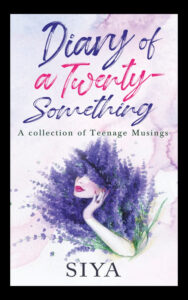
    Not to self-promote but we have some great books. And your mom, if she enjoys reading, will have a lifetime supply of free online books and sustainable product recommendations at her disposal. From the Diary of a Twenty-Something duology, which will make her nostalgic about her twenties to Once and Thereafter, which will take her on a fantastical journey, we have a lot. Plus, if you are a broke college student like many of us here at Muses- reading online is free!

    1. Take her to therapy

    Self-care is so important, especially for our moms who always put others first. Take your mom to a therapy session. Dr Ranjan Ghosh of Good Karma says that therapy does for our psychological well-being what the gym does for our body. It helps us build resilience and while moms tend to have a lot of that, it’s a good day when they can talk to a non-judgemental person about the things that might trouble them.

    1. Cook her a meal

    As we said, self-care is the best gift and the only better gift is an experience. Nothing can match those. And what brings the two together but a good home-cooked meal? Source seasonable veggies and make your mom a sustainable meal like no other. We recognise that meal prep takes well prep so here’s an easy way out if you forgot to mark the date- order her favourite dishes from her favourite eco-friendly restaurant. We won’t tell if you don’t.

    There’s a lot more you can do. You can plant a tree in her name, though be careful to plant ecosystem-appropriate trees, or take her shopping for sustainable clothes. The main thing though is to celebrate her and everything she has done. Thus, give her a gift she’ll love, use, and cherish. It’s time to bring tears of joy to the eyes of our moms.

    Many of us don’t have the best relationships with our moms. Yet we still love them. If you’re interested in giving a voice to your tumultuous relationship with your mom and getting some catharsis, you can check out Maa by Siya. The book talks about the flaws that can be found in many mother-daughter relationships and puts in verse concepts such as generational trauma and healing together.

    P.S.- If your mom is no longer a part of your life, fear not. The pain you might feel on Mother’s Day is natural. And we are here for you, just an email away if you need a friend to chat with.

    Busy Bee Lip Balm
    Support your lips and Muses_Saga by grabbing one of these eco-friendly and sustainable lip balms.

    Author- Anjali Roongta
    Editor- Shubhr Aakriti

    To support Muses_Saga’s free online reading initiative, you can buy our team a book. 

  • Why Trigger Warnings Are Necessary in Books

    Imagine this, you sit down to read a new book. You feel pretty good about this book, you think you know what it holds and boy, are you excited to go on that journey. Except, part-way through the book, you read something that reminds you of a horrific childhood memory.

    And bam!

    Not only are you pulled out of the story but you are also reliving the trauma.

    This can happen a lot. A book that is marketed as a feel-good romance, can contain a subplot about self-harm or domestic violence. Or perhaps, the book says the book has a dark theme, but the reader has a different understanding of the term dark themes than the author and thus ends up reading something that brings up traumatic experiences. Or makes them uncomfortable.

    This highlights the importance of trigger warnings in books. They help readers make informed and educated choices about the material they consent to consume, enduring they do not accidentally read something that disturbs them.

    Benefits of Trigger Warnings


    Conscious Representation of Darker Subject Matter

    Writers can often write about dark subjects. Sometimes it is integral to the story they are trying to tell- after all, could the Hunger Games have the same social commentary without the well, Hunger Games? Other times, the dark subject matter is a form of catharsis and a way to process something terrible that the writer has gone through. Yet, other times it can be a way to give voice to a subject that the writer feels is not often talked about. In all these cases, stories can take a turn that can be disturbing to people.  While art exists to comfort the disturbed and disturb the comfortable, it is a writer’s duty to inform their audience of what they are consenting to consume and inject into their mental landscape. This way, writers can write about what they feel is necessary for them to write, without negatively affecting an unsuspecting audience. While discretion during the writing process is important, it is equally important to inform the readers so they can make an educated choice and reject materials which they do not feel ready to interact with.

    Representation of Mental Health

    Mental health, no matter how neutrally it is represented, can take a toll on the audience. Thus, trigger warnings help readers who might be affected by such topics avoid books with these topics. Good realistic representation is important as it starts a discourse about things people might be unwilling to talk about. It is the vehicle of change in a society. However, this discourse should not come at the cost of those whom it seeks to benefits. Trigger warnings can help convey a message to a certain audience while simultaneously protecting those groups who might be unable to engage with the content.

    To continue the enjoyment of books


    As Daily Howl says, it is important to have trigger warnings so that everyone can enjoy reading. Reading has several benefits such as helping with sleep and increasing empathy. To get these benefits, people should not have to risk being exposed to traumatizing events without consent. Trigger warnings facilitate a way for readers from all walks of life to read and enjoy the benefits of literature.


    While there are benefits to trigger warnings and informed readership, some might argue against them. They might be seen as a method to infantilize readers or stop discourse from happening by giving an escape to those who do not want to engage with a book with certain themes. Trigger warnings can also be accused of hindering plot twists from happening.

    Yet, the question then comes- are these objections worth the consequence of not putting trigger warnings? Are they worth reminding someone of traumatic moments? Or worse.

    We as writers carry a responsibility to our audience. To entertain and educate in a safe manner. Trigger warnings are an extension of that responsibility. Yes, perhaps trigger warnings can expose coming plot twists, but there can be ways out. A good writer can make a plot twist interesting, even if their readers know it is coming. Writers on Archive of Own have been doing that for years. In fact, the knowledge of the potential twist can be used as anticipation for those who can safely consume the content. Or perhaps you can put all the triggers contained in a story at the start, without mentioning when a trigger is about to occur. While not an approach we follow, this is also an option to keep your readers informed.

    How to Add Trigger Warnings

    Now that we have spoken about the importance of trigger warnings, let us take a look at how to add them to our works.

    Get a Psychologist or a Trained Beta Reader


    Getting a psychologist or a trained beta reader, who knows how to spot triggers, is the best way to add trigger warnings to your work. They can also help notify when your work is doing a bad job at representing mental health if that is a part of your work. A good editor, with an understanding of psychology, can help in the trigger warning department as well.


    Mention Sensitive Themes Upfront


    If you cannot get a beta reader or a psychological analyst, you can try and add trigger warnings on your own. Mention any disturbing themes upfront so your readers know what they are getting into. You can also ask your editors, friends, and family who read your book or brainstorm with you if they find any theme disturbing and mention them accordingly.


    Ensuring you do not cause accidental harm to your readers becomes easy with trigger warnings. Imagine instead of being shocked and disturbed by the contents of a book not matching the vibe you were looking for, now you know what you are getting into. Your feel-good book warns you ahead of time if it’s not the light read you are in the mood for. Your readers know you are a writer committed to their mental well-being and thus trust you more. What writer doesn’t want that?

    This mental health month, let us pledge to keep the mental well-being of our readers as a priority and give them honest representation and good trigger warnings. After all, they go through a lot, considering what we put their favourite characters through. So shouldn’t we at least let them dive in knowing what they are choosing? Let us know in the comments!

    Written by- Anjali Roongta
    Psychological Analyst- Naushi Mathur